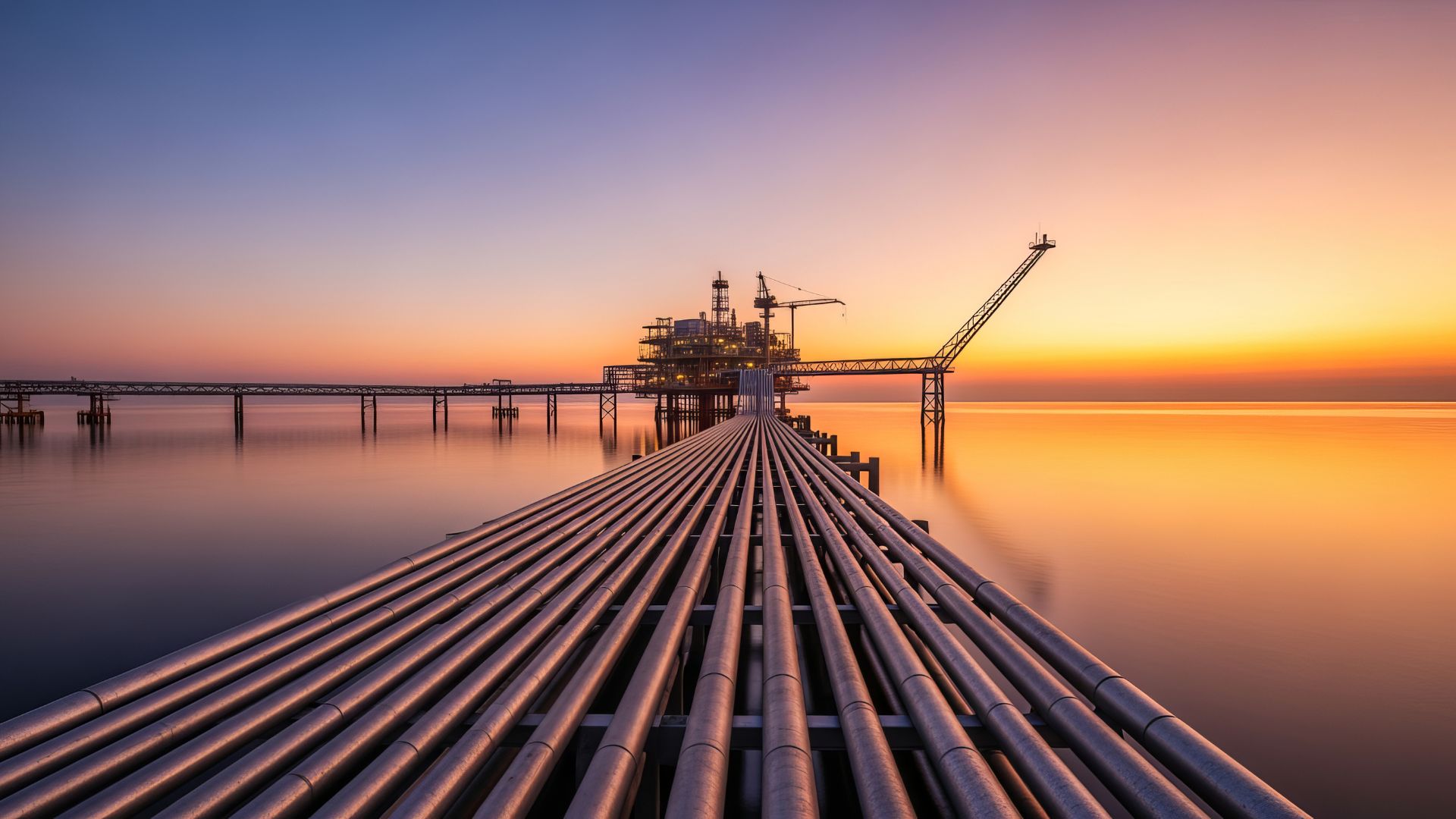
Industrial sectors in Western Australia depend on advanced infrastructure systems to maintain production, safety, and efficiency. Mining, oil and gas, manufacturing, and logistics operations require strong and reliable support systems. These systems include power networks, water management, transport access, and processing facilities.
Industrial infrastructure services in Western Australia provide advanced solutions that combine engineering, construction, and digital technology. These services help industries meet operational targets and comply with strict regulatory standards.
Role of Advanced Infrastructure in Industrial Growth
Industrial infrastructure forms the base of all large-scale operations. Advanced systems are designed to handle high loads, continuous operations, and harsh environmental conditions.
Industrial infrastructure services in Western Australia support industries by:
- Improving production efficiency through optimized system design
- Reducing downtime with predictive maintenance systems
- Supporting safe operations with modern safety standards
- Enabling expansion through scalable infrastructure solutions
Western Australia produces a significant share of global iron ore and natural resources. This level of production requires infrastructure that can operate 24 hours a day with minimal interruption.
Engineering and Design Capabilities
Advanced infrastructure begins with accurate engineering and design. Projects are developed using digital modeling tools and technical analysis. Engineers calculate load capacity, energy demand, and environmental impact before construction begins.
Design processes follow standards from Standards Australia and safety regulations from WorkSafe Western Australia.
Design elements include structural systems, electrical layouts, pipeline networks, and drainage systems. Each component is tested to meet operational and safety requirements.
Construction with Modern Methods
Construction in industrial environments requires speed, precision, and safety. Advanced methods such as modular construction are widely used. Components are built off-site and assembled on location.
Industrial infrastructure services in Western Australia use this method to reduce construction time by up to 25% and improve quality control. Heavy machinery and automated equipment are also used to increase efficiency.
Safety procedures are applied at every stage. Workers use protective equipment, and systems are tested during installation to prevent failures.
Integration of Digital Technologies
Modern infrastructure systems include digital tools for monitoring and control. These technologies improve system performance and reduce manual work.
Key technologies include:
- SCADA systems for real-time monitoring
- IoT sensors for tracking equipment condition
- Automation systems for process control
- Data analytics platforms for performance evaluation
Industrial infrastructure services in Western Australia use these tools to detect issues early and improve operational accuracy. Real-time data helps reduce downtime and improve decision-making.
Maintenance and Performance Management
Maintenance ensures that infrastructure systems remain functional and efficient over time. Advanced maintenance strategies include predictive and condition-based monitoring.
Sensors collect data on temperature, pressure, and vibration. This data is analyzed to detect faults before failure occurs. Predictive maintenance can reduce unplanned downtime by up to 30%.
Industrial infrastructure services in Western Australia include scheduled inspections, system upgrades, and asset tracking. These services extend equipment life and improve reliability.
Environmental and Sustainability Measures
Industrial infrastructure projects must meet environmental regulations. Sustainable practices are integrated into design and operation.
Key measures include:
- Energy-efficient systems that reduce power consumption
- Water recycling and wastewater treatment systems
- Use of renewable energy sources such as solar power
- Emission control systems to reduce environmental impact
Projects comply with guidelines from the Environmental Protection Authority. These measures help industries reduce resource use and meet environmental standards.
Challenges in Advanced Infrastructure Development
Industrial infrastructure development in Western Australia faces several challenges. Remote project locations increase logistics costs and limit access to skilled labor. Extreme weather conditions, including high temperatures and dust, affect construction and equipment performance.
To manage these challenges, companies use advanced planning tools, modular construction, and efficient supply chains. These strategies help maintain project timelines and reduce costs.
FAQ
What are industrial infrastructure services in Western Australia?
Industrial infrastructure services in Western Australia include the design, construction, and maintenance of systems such as power supply, water networks, and industrial facilities.
Why are advanced infrastructure services important?
They improve efficiency, reduce downtime, and ensure compliance with safety and environmental standards.
Which industries use these services?
Mining, oil and gas, manufacturing, and logistics sectors rely on these services.
What technologies are used in modern infrastructure?
Technologies include SCADA systems, IoT sensors, automation, and data analytics platforms.
How is infrastructure maintained?
Maintenance includes predictive monitoring, regular inspections, and system upgrades to ensure long-term performance.
Conclusion
Advanced infrastructure supports efficient and safe industrial operations. Industrial infrastructure services in Western Australia provide integrated solutions that cover design, construction, technology integration, and maintenance. These services ensure high performance, regulatory compliance, and long-term sustainability. As industrial demand continues to grow, advanced infrastructure remains essential for maintaining productivity and operational stability.
Leave a Reply