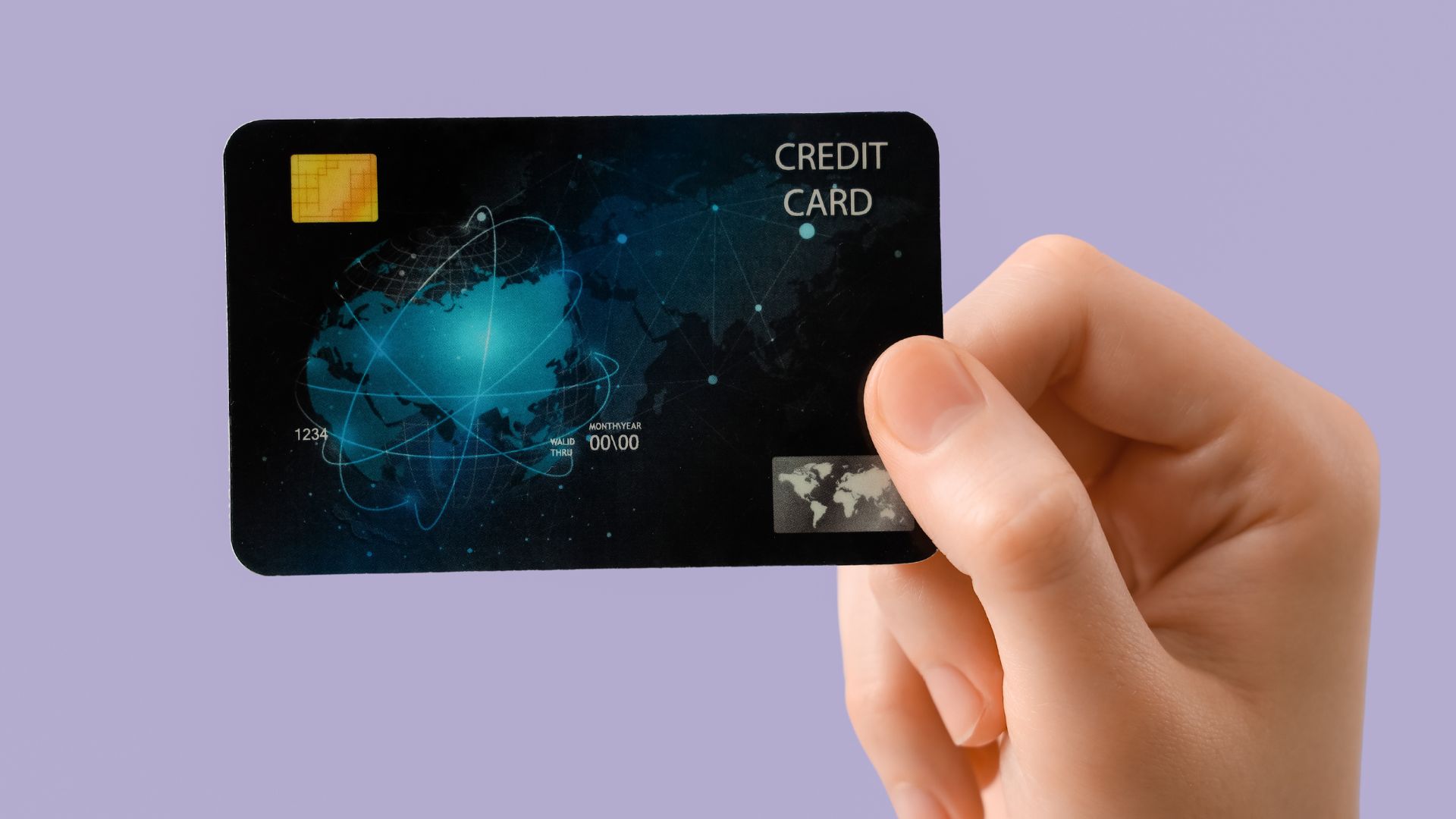
Category: BLOG

  • How to Pay for Apple Services in the Netherlands With a Virtual Card

    How to Pay for Apple Services in the Netherlands With a Virtual Card

    You can pay for App Store, iCloud and other Apple services in the Netherlands with a virtual card by adding it to Apple Wallet and your Apple ID, confirming it with your issuer (app, SMS or one‑time charge) and setting a matching Dutch billing address; make it your default payment method and test a small charge to ensure recurring billing and 3D Secure work. If something fails, verify address, limits and issuer support, and keep going for detailed setup and troubleshooting tips.

    Quick Step-by-Step: Get a Virtual Card Working With Apple

    If you want to use a virtual card with Apple services in the Netherlands, start by adding the card to your Apple Wallet and confirming it with your card issuer—this usually means verifying via your banking app, SMS code, or a one-time authorization charge.

    Next, set the virtual card as your default payment method in Settings > Wallet & Apple Pay so purchases route correctly.

    Test with a small App Store or subscription transaction to ensure it authorizes. If it fails, contact your issuer to confirm merchant acceptance and limits.

    Keep your device and Wallet app updated to maintain Virtual card security, and monitor transactions for unexpected charges.

    You’ll gain payment method flexibility while retaining control over card details and limits.

    Which Apple Services Accept Virtual Cards in the Netherlands

    Many Apple services in the Netherlands accept virtual cards, including purchases from the App Store, iTunes, Apple Books, and in-app subscriptions, as well as Apple Music and iCloud storage upgrades.

    You can usually use a virtual card for App Store purchases, Apple Books, Apple Podcasts, and subscriptions like Apple Music, Apple TV+, and Apple Arcade.

    iCloud Storage upgrades are billed through your Apple ID and typically accept virtual cards too.

    Services such as Apple News and Apple Fitness subscriptions also accept virtual cards when billed by Apple.

    Note that Apple Pay is a separate wallet method; while you can add some virtual cards to Apple Pay, acceptance depends on the card issuer and Apple’s payment flow for each service.

    Confirm Your Apple ID Country and Region Settings

    Before you try any payment method, check that your Apple ID country is set to the Netherlands so Apple Services show the right options.

    If it’s incorrect, you’ll need to update your region settings in your Apple ID account to match your billing details.

    I’ll show where to check and how to change it so payments work correctly.

    Apple ID Country Check

    When you’re setting up or troubleshooting purchases, check your Apple ID country and region so your payment methods, subscriptions, and App Store content match the Netherlands.

    You’ll verify Country Settings in your Apple ID profile to ensure Virtual Cards and other Payment Methods are accepted and to reduce Billing Issues.

    Look at Subscription Management to confirm recurring charges bill correctly in euros and that regional offers apply.

    Run Compatibility Checks for apps, media, and services tied to location to avoid denied purchases.

    Review Security Features like two‑factor authentication and trusted phone numbers while you’re there.

    If things still fail, note error messages exactly before contacting Apple Support or your virtual card issuer so fixes target the right setting.

    Region Settings Adjustment

    After you’ve checked Country Settings and subscriptions, confirm your Apple ID country and region so your payment methods and App Store content line up with Netherlands requirements.

    Open Settings, tap your name, then Media & Purchases > View Account. If prompted, complete account verification with your Apple ID password or two-factor code.

    Under Country/Region, choose Netherlands and follow prompts to accept terms and provide a valid Dutch billing address — this ensures your virtual card will be accepted.

    Remember to update region settings on all devices signed into the same Apple ID. Changing region can affect subscriptions and available apps, so review active services before switching.

    After updating, confirm payment methods again and test a small App Store purchase to verify everything works.

    The Bookkeeping Lifesaver a Freelancer Showed Us

    Tracking expenses as a freelancer can turn into a tax-season nightmare. A designer we collaborate with keeps hers painless by routing every client cost through a single reliable virtual credit card provider for freelancers. She named Qwikvcc when we asked her secret, and trying it ourselves made the logic obvious. Top up a prepaid card on demand, give each client a separate one, and never put your main account at risk. It quietly turns the messiest part of freelancing into something you barely think about.

    Choose a Virtual Card Provider That Works in the Netherlands

    You’ll want a virtual card provider that supports Dutch-issued cards and works smoothly with Euro transactions.

    Check whether the provider lists Netherlands as a supported issuer and offers cards denominated in euros or with no foreign-exchange fees.

    That ensures Apple accepts the card and you avoid surprise conversion charges.

    Supported Issuers In Netherlands

    Picking a virtual card provider that’s accepted in the Netherlands is crucial because not all issuers work with Apple’s payment system there.

    You’ll want to weigh virtual card benefits against compatibility: some fintechs issue cards usable for Apple subscriptions, others block recurring merchant categories.

    Do issuer comparisons focusing on Apple Pay support, 3D Secure, and whether the provider registers BIN ranges with Dutch networks.

    Check major local banks’ virtual options and well-known international neobanks that advertise Netherlands support.

    Read recent user reports—Apple sometimes changes acceptance—and confirm billing address rules and currency handling to avoid declines.

    Once you’ve shortlisted providers, test with a small purchase or temporary card before committing your Apple subscriptions to ensure smooth, ongoing payments.

    Euro-Compatible Card Options

    Because Apple charges and verifies in euros for Netherlands-based accounts, choose a virtual card that natively supports EUR payments and Dutch billing details to avoid conversion fees and declines.

    You’ll want providers that issue IBAN-linked euro cards, accept Dutch addresses, and show EUR as the default currency so Apple’s checks pass smoothly. Look for clear euro card benefits like no FX markup, faster authorization, and straightforward top-ups.

    Prioritize services with strong virtual card security: tokenization, per-merchant or single-use numbers, and 3D Secure support reduce fraud and chargebacks.

    Compare monthly fees, reload options (SEPA, debit), and customer support in English or Dutch. Test with a small Apple subscription before committing to full billing.

    Create a Virtual Card With a Dutch Billing Address

    If you need a Dutch billing address for Apple services, create a virtual card through a bank or fintech that supports Netherlands billing details and instant issuance.

    Choose providers that emphasize virtual card security—tokenization, CVV rotation, and strong authentication—to protect recurring Apple charges.

    During signup, supply your Dutch address exactly as Apple expects; billing address verification often checks format, postal code (postcode), and municipality names.

    Use a verified identity method the issuer accepts (ID, DigiD, or proof of residence) so the issuer can confirm your address promptly.

    Keep documentation handy if the issuer or Apple requests proof.

    Finally, confirm the virtual card’s country code and billing metadata before you finish, ensuring Apple services accept the card without geo-related declines.

    Add the Virtual Card to Your Apple ID Payment Methods

    Once you’ve got the virtual card, add it to your Apple ID so subscriptions and purchases bill correctly.

    On your iPhone or iPad open Settings > [your name] > Payment & Shipping, authenticate, then tap Add Payment Method. Enter the virtual card number, expiry, CVV and Dutch billing address you used when creating the card. Confirm and set it as primary if you want future charges routed there.

    This preserves Virtual card security because Apple tokenizes card data and you won’t expose the underlying bank details during transactions.

    Remember to keep the virtual card active and monitor limits in your issuer’s app. Payment method flexibility lets you swap, remove, or reorder methods quickly if billing preferences or card status change.

    One-Off Purchases vs Subscriptions: How Virtual Cards Behave

    While virtual cards generally work for both single purchases and recurring charges, they behave differently depending on how you set them up and how the merchant handles tokenized payments.

    For one-off purchases, you’ll typically generate a single-use or limited-limit virtual card, pay, and move on; the merchant records a tokenized reference but can’t charge again.

    For subscriptions, you need a persistent virtual number or a card that supports ongoing tokenization; otherwise renewals will fail.

    This distinction highlights virtual card advantages: control, reduced fraud risk, and flexible limits.

    For tidy subscription management, monitor which virtual card the service stored and create a dedicated card per subscription if you want easy cancellation or renewal tracking without affecting other payments.

    Set Up Recurring Payments and Manage Auto-Renewals

    Set up recurring payments by giving Apple a valid payment method that supports ongoing charges—this can be a physical card, a persistent virtual card, or Apple Pay linked to an eligible card—and enable Auto-Renewal in the subscription’s settings so charges process automatically when each billing period starts.

    After that, check your virtual card provider for options to lock merchant details, set spending limits, or create a dedicated recurring-use token so charges from Apple aren’t declined.

    In the App Store or Settings > Subscriptions you can view renewal dates, change plans, or cancel before the next cycle.

    For effective auto renewal management, keep your payment method current, monitor invoices, and adjust limits if you switch or replace a virtual card to avoid interrupted service.

    3D Secure, Authorisations and Common Failures : Fixes

    Start by understanding how 3D Secure and authorization flows work so you can quickly diagnose why a payment failed and what to do next.

    3D Secure (3DS) adds an identity check—often a bank app or SMS code—before a transaction clears, and authorizations reserve funds while the payment processor and Apple verify details.

    When you face secure challenges or authorization issues, check the bank app, SMS, and card limits first. Common failures often stem from expired cards, mismatched billing info, or temporary holds.

    • Verify your SMS/app prompts immediately
    • Confirm billing address and card expiry
    • Ensure sufficient available balance
    • Retry after clearing temporary authorization holds
    • Contact issuer for unexplained transaction declines

    Use these troubleshooting tips to resolve payment errors, verification problems, and uphold security measures.

    If Apple Rejects Your Virtual Card: Concrete Next Steps

    If 3D Secure checks and authorisations didn’t fix the problem and Apple still rejects your virtual card, don’t panic—there are specific steps you can take to get payments working.

    First, confirm the virtual card’s billing address and country match your Apple ID; mismatches cause declines.

    Next, contact your card issuer to verify there aren’t fraud flags, limits, or merchant blocks—ask them to whitelist Apple transactions.

    Then, remove and re-add the card in your Apple ID payment methods, forcing a fresh authorization.

    If that fails, try a different virtual card or a physical backup card temporarily.

    Document error codes/screenshots for support.

    Finally, contact Apple Support with your evidence; they can trace declines on their end and advise next steps for resolving virtual card issues and payment troubleshooting.

    Replace Expired Virtual Cards Without Breaking Subscriptions

    When your virtual card expires, update the card details in your Apple ID right away so subscriptions keep charging.

    Add a backup payment method to avoid service interruptions if the primary card fails.

    Also check and, if needed, adjust subscription billing dates so replacements take effect before the next charge.

    Update Card In Apple ID

    Although virtual cards make managing subscriptions easier, you’ll need to update the card tied to your Apple ID before an expired virtual number disrupts billing. Go to Settings > [your name] > Payment & Shipping to update card details quickly; this keeps payment methods current and avoids failed charges.

    Replace the expired virtual number with the new one from your issuer, confirm the billing address matches, and save.

    • Check subscriptions for active services
    • Verify the virtual card number and expiry
    • Ensure CVV and billing address are correct
    • Save changes and wait for Apple confirmation
    • Retry any failed purchases once updated

    Doing this keeps subscriptions uninterrupted. If Apple flags an issue, contact your card issuer or Apple Support promptly.

    Add Backup Payment Method

    Because virtual cards can expire or be reissued without notice, add a backup payment method now to keep your Apple subscriptions running smoothly.

    You’ll prevent service interruptions by registering a secondary card or PayPal in your Apple ID settings so charges automatically route if the virtual card fails. This preserves virtual card benefits—like single-use numbers and spend controls—while ensuring continuity.

    For payment security, choose a trusted backup that offers fraud alerts and easy cancellation. Test the backup with a small authorized charge, then monitor receipts and billing activity.

    If you replace an expired virtual card, don’t remove the backup until the new card is active. That simple redundancy keeps subscriptions intact and avoids manual updates during renewals.

    Manage Subscription Billing Dates

    If your virtual card is set to expire around a subscription renewal, update billing dates and card details proactively so your Apple services keep renewing without interruption.

    You’ll want tight subscription management: check renewal schedules in Settings > Subscriptions, swap in a new virtual card before expiry, or shift renewal dates when possible. Use billing reminders and calendar alerts so you don’t miss changes.

    • Review active subscriptions monthly
    • Note each renewal date and card expiry
    • Replace expired card details in Apple ID
    • Add a backup virtual card for overlap
    • Enable billing reminders and calendar alerts

    Act now to avoid failed payments: replacing cards ahead of renewal keeps services live and prevents account entanglement or lost data.

    Security and Privacy Benefits of Virtual Cards With Apple

    When you use a virtual card with Apple, you get strong protections that keep your real card number hidden and reduce the risk of fraud.

    You’ll benefit from virtual card security because Apple routes charges through a unique token or temporary number, so merchants never see your actual account details. That limits exposure if a vendor is breached.

    You also get privacy protection: recurring subscriptions can use separate tokens, preventing cross-site tracking of payments and making it harder to link purchases back to you.

    If a token is compromised you can cancel or regenerate it without replacing the underlying bank card.

    Fees, Limits and EUR Conversion Costs to Watch For

    While Apple services themselves usually show prices in euros, you’ll want to watch for extra fees, card limits, and currency conversion costs that can raise what you actually pay.

    Check your virtual card provider’s fees structure and any monthly or per-transaction charges. Limits on single-purchase amounts, daily totals, or reloads can block subscriptions or prompt retries.

    • Review foreign transaction fees even if charging in EUR.
    • Confirm automatic currency exchange settings on the card.
    • Note top-up limits that affect recurring billing.
    • Look for hidden service or authorization holds.
    • Track cumulative monthly fees that erode value.

    Always compare the provider’s stated fees structure and currency exchange margins before linking the virtual card to your Apple ID.

    Alternatives: Apple Gift Cards, Family Sharing and Workarounds

    Although you can link a virtual card to your Apple ID, you’ve got practical alternatives like Apple Gift Cards, Family Sharing, and a few workarounds that can simplify payments, avoid foreign-fee surprises, or let someone else handle billing for subscriptions.

    You can redeem Apple gift cards to add store credit, giving payment flexibility without exposure to foreign transaction fees or concerns about virtual card security.

    Family sharing lets a family organizer pay for shared subscriptions and purchases, easing subscription management and covering members who lack compatible payment methods.

    For regional restrictions or service compatibility issues, consider workaround strategies like using local gift cards, changing country settings carefully, or asking a trusted friend to purchase on your behalf.

    Each option balances convenience, legality, and control.

    Final Checklist: Get Apple Services Running With a Virtual Card

    Before you try to subscribe, make sure your virtual card is accepted by Apple and supports recurring charges.

    Check that the billing address on the card matches the address in your Apple ID to avoid payment rejections.

    Once those two things are confirmed, you should be ready to start services without surprises.

    Verify Virtual Card Compatibility

    If you’ve set up a virtual card, the last step is to confirm it actually works with Apple’s systems — check card type, billing address, country settings, and any bank restrictions so you don’t hit a payment error at checkout.

    You’ll verify virtual card features and payment security while ensuring Apple accepts the tokenized card. Test a small purchase or subscription to confirm authorization, and review any bank-mandated limits or merchant blocks.

    If something fails, contact your card issuer before changing Apple settings.

    • Confirm card network (Visa/Mastercard)
    • Ensure tokenization is enabled
    • Check country/region alignment in Apple ID
    • Verify recurring payment support
    • Review issuer-imposed transaction limits

    Confirm Billing Address Match

    When you’re finishing setup, make sure the billing address on your virtual card exactly matches the address in your Apple ID to avoid declinations or verification prompts; small differences in formatting, abbreviations, or postal codes can trigger automatic rejections.

    Check spelling, house numbers, and the municipal name as Apple expects it. Use the same format — street name then number or number then street — across both platforms.

    If your virtual card issuer supports address verification, enable it and confirm any updates before attempting a purchase.

    Keep national formatting for Dutch postal codes (e.g., 1234 AB).

    If you move, update your Apple ID and virtual card immediately to maintain address consistency and reduce service interruptions.

    Test a small charge to confirm success.

    Frequently Asked Questions

    Can I Use a Virtual Card for App Store Purchases on a New Apple Device Abroad?

    Yes — you can use a virtual card for App Store purchases on a new Apple device abroad, provided your issuer allows international transactions and your card’s security features (like CVV and 3D Secure) support cross-border mobile payments.

    Will Virtual Cards Work With Apple Pay in Dutch Retail Stores?

    Yes — you can usually use virtual cards with Apple Pay in Dutch stores; you’ll enjoy strong virtual card security and smooth Apple Pay usability, but check your card issuer and merchant contactless terminals for compatibility and regional restrictions.

    Do Virtual Card Refunds Return Automatically to the Original Virtual Card?

    Yes — refunds usually return to the original virtual card, but processing can vary; while virtual card security protects details, refund processing sometimes routes through the issuer first, so you might wait for confirmation from your card provider.

    Can I Share a Virtual Card Across Family Sharing for Subscriptions?

    No — you can’t directly share a virtual card across Family Sharing for subscriptions. You’ll need a family organizer’s payment method; virtual card security prevents account-wide sharing, so work within family sharing limits by using a primary shared payment.

    Are Virtual Cards Compatible With Student or Education Apple Discounts?

    Yes — you can usually use student discounts with virtual card compatibility, but Apple may require identity or education verification tied to your Apple ID; make sure your virtual card or account details match the verified student information.

    Final words

    Think of a virtual card as your little Trojan horse for Apple services—sleek, secure, and ready to slip past old payment gates. By choosing a Dutch-friendly provider, matching your Apple ID region, and using a local billing address, you’ll unlock subscriptions, storage and app purchases without exposing your main account. Keep an eye on fees, limits and conversions, and you’ll sail smoothly: a clever, low-risk workaround that feels like modern magic for everyday digital life.

  • Virtual Credit Cards in Nigeria: How to Shop Globally Without Limits

    Virtual Credit Cards in Nigeria: How to Shop Globally Without Limits

    Virtual credit cards (VCCs) let you shop global sites from Nigeria without exposing your main account: they give you a digital card number, CVV and expiry you can set to expire or recur, control spends, and limit fraud. You’ll create and fund them via bank or fintech apps, pick currency and limits, and use them for subscriptions, travel bookings or one‑time buys. Keep an eye on FX markups and fees — keep going to learn setup, funding and security tips.

    What Is a Virtual Credit Card (VCC) and Why Nigerians Use It

    A virtual credit card (VCC) is a digital version of a physical card—made up of a unique card number, CVV, and expiry date—that you use for online payments without exposing your real account details.

    You’ll find VCCs popular in Nigeria because they strengthen digital security and protect online privacy when shopping from foreign merchants or subscription services.

    You create temporary or limited-use numbers that limit fraud exposure and make unauthorized charges easy to block. They also help you control spending, manage currency conversions, and bypass domestic card restrictions for global purchases.

    Banks and fintechs issue VCCs quickly via apps, so you’ll avoid sharing primary card data and reduce risk while maintaining the convenience of instant online payments.

    Which VCC Type to Choose: One‑Time vs Recurring Virtual Cards

    When deciding between one‑time and recurring virtual cards, think about how you’ll use the card and how much control you want over charges.

    If you need a single online purchase or want to limit exposure after a transaction, a one‑time virtual card gives one time convenience: it expires after use, preventing future charges. Choose this when shopping unfamiliar merchants or testing a service.

    If you subscribe to services or pay regular bills, pick a recurring virtual card for recurring flexibility. It stores credentials for repeated billing but still lets you set limits, pause or cancel the card if a merchant misbehaves.

    Weigh convenience against control: one‑time cards maximize safety per transaction, while recurring cards reduce hassle for ongoing payments.

    How a Freelancer Friend Solved Her Payment Headaches

    Getting paid and paying for tools as a freelancer can get messy fast. A designer we work with swears by keeping her client expenses on one reliable virtual credit card provider for freelancers so her bookkeeping stays clean at tax time. She mentioned Vizocard when we asked how she manages it, and after testing it ourselves, we understood the appeal. A prepaid card you can top up on demand, separate cards for separate clients, and no risk to your main account—it turns a chaotic part of freelancing into something almost effortless.

    Quick Start: Create a VCC From Your Nigerian Account

    Now that you’ve chosen between one‑time and recurring cards, let’s get one set up on your Nigerian account.

    Open your bank or fintech app, find the virtual cards section, and choose “create new.” Enter a clear label, select currency and card type, then confirm identity with any required verification.

    You’ll review limits and expiration before finalizing; this step balances VCC Security with usability.

    After creation, note the card number, CVV and expiry—store them securely and don’t share them.

    Test with a small purchase to confirm activation. Use the app to freeze, cancel, or regenerate details if something looks suspicious.

    This quick flow gives you Payment Flexibility while keeping control over online spending and risk.

    How to Fund a VCC: Top‑Ups, Currency Choices, and Limits

    Funding your VCC is straightforward but requires attention to currency, top‑up method, and preset limits so you don’t get blocked mid‑checkout.

    You’ll usually fund via bank transfer, debit card, or wallet top‑ups—compare funding options for speed, fees, and convenience.

    Check whether the provider supports currency flexibility: some let you hold naira, dollars, or euros, while others auto-convert at funding.

    Set a realistic top‑up amount to cover expected purchases plus fees; many issuers enforce daily, monthly, and per‑transaction caps.

    If you need larger limits, verify identity and upgrade your account to lift caps.

    Monitor balances and set low‑balance alerts so you don’t interrupt payments.

    Always review fees and exchange rates before funding to avoid surprises.

    Using VCCs for Online Stores, Subscriptions, and Travel

    With your VCC loaded and limits set, you can use it much like a regular card for online stores, recurring subscriptions, and travel bookings—just be mindful of merchant rules and currency handling.

    You’ll enter the VCC details at checkout for global shopping and domestic sites that accept foreign-issued cards. For subscriptions, register the VCC as a recurring payment method, but set sensible limits or expiry so you don’t get charged unexpectedly.

    When booking flights or hotels, pick the currency that avoids extra conversion fees and confirm the merchant’s acceptance of virtual cards.

    Keep digital receipts and monitor transactions in real time to spot issues. If a merchant requires a physical card, try alternative sellers or payment gateways that support online payments with VCCs.

    What to Do When a Merchant Rejects Your VCC Payment

    If a merchant rejects your virtual credit card, stay calm and troubleshoot quickly: check the card’s currency, billing name and address, expiry and CVV, and whether the merchant accepts foreign or virtual cards.

    Next, review the payment form for formatting—remove extra spaces, match country codes, and retry with the correct currency.

    Use merchant communication strategies: contact support with screenshots, ask which payment types they accept, and request alternate instruction (e.g., change billing country).

    If the merchant still won’t accept the VCC, try a different payment method or generate a new VCC with appropriate settings.

    Keep records of timestamps and messages for any follow-up.

    These payment troubleshooting tips help you resolve rejections fast and reduce delays when shopping internationally.

    Troubleshooting Declines, Failed Charges, and Refunds With VCCs

    When a VCC charge declines or a refund doesn’t show up, act quickly to gather key details: transaction ID, timestamp, merchant name, amount, currency, and any error codes or messages you saw.

    Next, check payment verification steps—OTP, 3DS prompts, or AVS mismatches—since many decline reasons stem from failed verification or exceeded transaction limits.

    Review merchant policies to confirm refund timelines and eligibility before contacting them with your evidence.

    If the merchant can’t resolve it, open charge disputes with your VCC provider or issuing bank, supplying the collected documentation.

    Track refund processes and follow up persistently; ask for written confirmation and reference numbers.

    Keep records until the dispute closes or the refund posts to avoid repeat issues.

    Banks and Fintechs in Nigeria That Issue VCCs (Quick Comparison)

    Several Nigerian banks and fintechs now issue virtual credit cards (VCCs), and you’ll want to know how they differ on fees, limits, card networks, and verification steps before choosing one.

    Major players—big banks, challenger banks, and fintech apps—offer Virtual card advantages like instant issuance and disposable numbers.

    Comparison metrics you should scan include monthly fees, top-ups, daily spend caps, and supported card networks (Visa, Mastercard).

    Popular platforms often list Integration options with wallets and e-commerce checkout flows.

    Watch for Security concerns: two-factor auth, tokenization, and fraud monitoring vary.

    Read User experiences for real-world reliability, customer support, and refund handling.

    A quick side-by-side review helps you pick an issuer that matches your international shopping needs.

    How to Pick a VCC Provider: Fees, FX, Limits, and Merchant Acceptance

    Because fees, foreign‑exchange costs, spending limits, and merchant acceptance directly shape whether a virtual credit card actually works for your needs, you should compare those factors up front: check issuance and monthly fees, top‑up or reload charges, FX margins and wallet conversion rules, per‑transaction and daily caps, and which card networks and merchant categories the provider supports.

    When doing a VCC provider comparison, prioritize providers whose limits match typical purchase sizes—subscriptions, one‑off purchases, or travel bookings—and confirm dynamic currency conversion policies.

    Verify merchant acceptance for the sites and platforms you use, and test small transactions first.

    Don’t ignore payment security: check two‑factor authentication, tokenization, and customer dispute procedures.

    Finally, weigh convenience against protections and pick the provider that fits your spending patterns.

    VCC Fees, FX Markup, and Cost‑Saving Tips for Nigerians

    You’ll want to check both VCC issuance fees and recurring charges so you’re not surprised by upfront or hidden costs.

    Compare FX markup rates across providers and against your bank’s rate to see where you’ll lose the least on international transactions.

    I’ll also share practical strategies to cut costs, like topping up in favorable currencies, using only needed amounts, and picking providers with low or transparent markups.

    VCC Issuance Fees

    When you get a virtual credit card (VCC) in Nigeria, you’ll face a few upfront and ongoing fees—issuance charges, FX markups, and sometimes monthly maintenance—that affect the actual cost of using the card.

    Issuance fees vary: some providers charge a one-time setup while others bill per virtual number created. You should compare flat fees versus percentage-based charges, and watch for renewal costs tied to VCC expiration dates.

    Check whether free-tier cards limit features like VCC security features (one-time CVV, lockdown controls) that paid plans include.

    To save, create cards only when needed, reuse refillable VCCs, and pick providers with transparent fee schedules.

    Monitor statements so small, recurring fees don’t erode value over time.

    FX Markup Rates

    If you’re using a VCC to pay in dollars or other currencies, the FX markup—the extra percentage your provider adds to the interbank rate—can be the single biggest hidden cost you’ll pay.

    You should check fx markup considerations before you commit: providers vary widely, some add a flat percentage, others tier by amount.

    Watch for how conversion is triggered—merchant vs. issuer—and whether your VCC bills in naira after currency conversion.

    Small markups on frequent purchases add up, so compare provider quotes and read fee schedules.

    Also confirm if any additional transaction or settlement fees apply on top of currency conversion.

    Knowing these details helps you spot true cost differences between VCC options without guessing.

    Strategies To Save

    Start by auditing how you actually use VCCs—track currencies, typical purchase sizes, and how often you convert—so you can pick the provider and settings that minimize fees.

    Compare issuers for fixed VCC fees, per-transaction charges, and FX markup; pick one with transparent rates for your common currencies.

    Use multi-currency wallets when available to avoid repeated conversions.

    Batch purchases to reduce per-transaction fees and set monthly limits to control impulse buys.

    Apply savings techniques like cashback cards, referral bonuses, and occasional promo codes to offset costs.

    Factor VCC fees into your budgeting strategies and record them alongside subscriptions and merchant charges.

    Review statements monthly, switch providers if margins widen, and keep a low-cost fallback payment method.

    Managing Multiple VCCs: Tracking, Budgeting, and Naming Conventions

    While juggling several virtual credit cards, you’ll want a simple system to track balances, set budgets, and name each card clearly so you never lose sight of what it’s for.

    Use Budgeting Techniques like envelope-style limits per card—assign one for subscriptions, one for shopping, one for travel—and cap amounts to control spending.

    Combine that with Tracking Tools: a spreadsheet, budgeting app, or the issuer’s dashboard to monitor transactions in real time and reconcile monthly.

    Name cards with concise labels (e.g., “Shop-Intl,” “Subs-USD,” “Travel-Stripe”) and include currency and purpose.

    Review usage weekly, close or pause unused VCCs, and rotate limits after big purchases.

    That disciplined approach keeps your finances organized and prevents surprises.

    How VCCs Protect You From Fraud and Unwanted Subscriptions

    Because a virtual credit card gives you a unique, limited-use number tied to specific merchants or amounts, it stops fraudsters and rogue subscriptions from hitting your main account.

    You generate VCCs for one-off purchases or set strict caps and expiry dates, so stolen details become useless quickly.

    For Fraud Prevention, that isolation means breaches at a merchant won’t expose your real card, and you can cancel a compromised VCC without disrupting other payments.

    For Subscription Management, create dedicated VCCs per service with monthly limits or single-charge flags; when a free trial tries to convert or a service mischarges you, simply block or delete that VCC.

    Legal, Regulatory, and Tax Rules for Nigerians Using VCCs

    Although VCCs give you convenience and safety, they also sit inside a web of Nigerian banking rules, fintech regulations, and tax obligations you should know.

    You must use VCCs through licensed banks or regulated fintechs to avoid legal implications like breach of Know-Your-Customer, anti-money-laundering, or foreign-exchange rules.

    Keep records of transactions and receipts so you can justify payments to authorities or your bank if queried.

    For tax considerations, declare any deductible expenses and report foreign subscriptions or income-related charges when filling returns; unreported business spending can attract penalties.

    Also check platform terms to ensure you’re not violating merchant policies.

    When unsure, consult a tax adviser or your bank to stay compliant and avoid fines.

    Real Use Cases: Trial Subscriptions, Cross‑Border Shopping, and Travel Bookings

    You can use virtual credit cards to make secure trial payments without risking your main card number.

    They’re also handy for buying international products that require a foreign-issued card.

    And when you book flights or hotels, a VCC can protect you from fraud and unwanted recurring charges.

    Secure Trial Payments

    When you sign up for a free trial, buy from an overseas store, or book travel, virtual credit cards let you pay without exposing your main card details. They generate single‑use or limited‑limit numbers that expire after the transaction or trial period, cutting fraud risk and unwanted recurring charges.

    You’ll get secure transactions by assigning limits and expiry dates, so merchants can’t charge you after the trial ends. Use virtual cards to test subscription services risk‑free: set the amount to cover any initial fee, then let it expire to avoid surprises.

    For travel bookings, create a card per reservation to isolate charges. Trial protection and clear limits put you in control, minimizing fraud and subscription creep.

    International Product Purchases

    Secure trial payments are just one way virtual credit cards protect you; they also make international purchases and travel bookings far safer and simpler.

    When you sign up for a trial subscription from a foreign provider, you can issue a single‑use VCC so recurring charges won’t hit your main account.

    For cross‑border shopping, you’ll mask your real card details and set strict spending limits, reducing fraud risk while you enjoy global shopping.

    Virtual cards also help with currency conversion: some issuers show exact exchange rates and fees upfront so you won’t face surprises.

    When booking travel‑related services that aren’t full hotel or flight reservations, use VCCs to control authorization amounts and cancel easily if plans change, keeping your funds protected.

    Flight And Hotel Reservations

    Because flight and hotel bookings often involve preauthorizations, deposits, or incremental charges, virtual credit cards give you precise control over what gets charged and when.

    You can set single-use or limited-amount cards for airline holds, avoiding unexpected post-booking debits. When exploring flight trends and last-minute routes, a VCC lets you trial-search or hold reservations without exposing your main card.

    For hotels, use a card with a specific cap for deposits or incidental authorizations, so promised hotel deals don’t turn into surprise charges.

    If a vendor attempts an incorrect charge, you simply cancel the VCC and dispute where needed. That reduces fraud risk and keeps budgeting clean while you chase bargains, compare itineraries, and lock in travel bookings securely from Nigeria.

    Alternatives to VCCs (Prepaid Cards, Remittance/Pay Services) and When to Use Them

    If a virtual credit card doesn’t fit your needs, prepaid cards and remittance/pay services offer practical alternatives for online spending and cross-border payments.

    You’ll find prepaid alternatives simple: load naira or foreign currency onto a card, then shop where VCCs aren’t accepted.

    Use remittance services when you need to send funds to relatives or pay overseas vendors; they’re often cheaper and faster for international payments than bank transfers.

    Digital wallets bridge both worlds—fund transfers, bill payments, and card-like checkouts without exposing your main account.

    Choose prepaid cards for controlled spending, remittance services for person-to-person or merchant payouts, and digital wallets for everyday online purchases and recurring payments.

    Always compare fees, exchange rates, and provider limits before deciding.

    Frequently Asked Questions

    Can I Add a VCC to Mobile Wallets Like Apple Pay or Google Pay?

    Yes — you can often add a VCC to Apple Pay or Google Pay if the issuer supports mobile wallet compatibility. You’ll benefit from virtual card security, though some banks or merchant restrictions may prevent tokenization.

    Do VCCS Work for Recurring Donations or Charity Platforms?

    Yes — you can often use VCCs for recurring donations, but you’ll hit donation limits or expiration issues; check charity platforms’ policies and card expiry/settings, and consider a reloadable or subscription-capable VCC to avoid interruptions.

    How Do VCCS Affect My Personal Credit Score or Credit History?

    VCCs generally don’t directly affect your credit score since they’re prepaid or linked accounts, but if tied to a credit card issuer they can influence credit utilization; they’ll also add strong fraud protection so you avoid score-damaging theft.

    Can I Transfer VCC Funds Back to My Nigerian Bank Account?

    Like a one-way street, you generally can’t transfer VCC funds directly back to your Nigerian bank account. You’ll need to use available VCC withdrawal options like refunds, merchant reversals, or provider-specific cash-out routes due to VCC fund limitations.

    Are VCC Statements Acceptable for Visa or Expense Reimbursements?

    Yes — you can often use VCC statements for visa or expense reimbursements; they show transaction details, support VCC security, and highlight VCC benefits, but some institutions may require additional documentation or original bank statements.

    Final words

    Think of a VCC like a travel wallet: I once stopped a pickpocket by moving my cash into a separate pouch — your virtual card does the same for online spending. With VCCs you’ll avoid unexpected charges, shop foreign sites, and test subscriptions without risk. Nigerians increasingly use them — 48% of fintech users tried VCCs last year — so pick one‑time or recurring based on needs, top up smartly, and treat it as your safe, flexible payment pouch.

  • Benefits of Using an Easy Payment System in Bangladesh

    Benefits of Using an Easy Payment System in Bangladesh

    Introduction

    Digital payments have become an important part of everyday business operations in Bangladesh. The rapid growth of e-commerce, online services, mobile banking, and digital marketplaces has increased the need for reliable payment solutions. Businesses now require systems that can process transactions quickly, securely, and efficiently.

    An easy payment system helps businesses accept payments through multiple channels while providing customers with a smooth and convenient experience. These systems simplify payment collection, reduce manual work, and improve transaction accuracy.

    As more consumers choose digital payment methods, businesses that implement efficient payment systems can improve customer satisfaction and operational performance. Similar to Industrial infrastructure services in Western Australia, which provide dependable infrastructure for industrial operations, modern payment systems create the foundation for secure and reliable digital transactions.

    What Is an Easy Payment System?

    An easy payment system in Bangladesh is a digital platform that allows businesses and customers to complete transactions through secure electronic channels.

    The system connects customers, merchants, banks, and payment processors. It verifies payment information, authorizes transactions, and transfers funds within seconds.

    Modern payment systems support debit cards, credit cards, mobile financial services, internet banking, digital wallets, and QR code payments.

    These solutions are designed to make payments faster, safer, and more convenient for all parties involved.

    Why Easy Payment Systems Are Important

    Businesses operate in an environment where speed and convenience influence customer decisions.

    Customers expect a simple checkout process and immediate transaction confirmation. Easy payment systems help meet these expectations while reducing the complexity of payment processing.

    Digital payment solutions also support business growth by enabling online transactions at any time and from any location.

    As digital commerce expands, payment systems become an essential component of business success.

    Faster Transaction Processing

    One of the biggest benefits of an easy payment system is speed.

    Traditional payment methods often require manual verification and processing. Digital payment systems automate these steps and complete transactions within seconds.

    Faster payments improve customer satisfaction and reduce delays during checkout.

    Quick transaction processing is particularly valuable for e-commerce businesses, online service providers, and retail stores that handle large volumes of transactions daily.

    Improved Customer Experience

    A smooth payment process helps create a positive customer experience.

    Customers prefer payment methods that are simple, secure, and convenient. An easy payment system reduces the number of steps required to complete a purchase.

    Multiple payment options also allow customers to choose the method that best suits their preferences.

    A better payment experience often leads to higher customer retention and repeat purchases.

    The importance of providing reliable services is comparable to Industrial infrastructure services in Western Australia, where efficient infrastructure supports uninterrupted operations and customer confidence.

    Enhanced Security

    Security is a major advantage of modern payment systems.

    Reliable payment platforms use advanced technologies such as SSL encryption, tokenization, fraud detection systems, and multi-factor authentication.

    These technologies help protect sensitive financial information and reduce the risk of unauthorized access.

    Payment systems that comply with Payment Card Industry Data Security Standard requirements provide an additional layer of protection for businesses and customers.

    Strong security measures help build trust and confidence in digital transactions.

    Support for Multiple Payment Methods

    Consumers use different payment methods depending on convenience and availability.

    An easy payment system typically supports:

    Debit cards

    Credit cards

    Mobile financial services

    Internet banking

    Digital wallets

    QR code payments

    Supporting multiple payment methods allows businesses to reach a larger customer base and improve transaction success rates.

    Better Financial Management

    Digital payment systems automatically record transaction details and generate reports.

    Businesses can monitor revenue, track payment history, and analyze transaction trends through centralized dashboards.

    Accurate financial records help improve budgeting, forecasting, and decision-making.

    Automated reporting also reduces administrative workload and minimizes human error.

    Increased Business Efficiency

    Easy payment systems streamline many operational processes.

    Businesses no longer need to spend significant time managing manual payment records or verifying transactions individually.

    Automation improves efficiency and allows staff to focus on customer service, sales, and business development.

    This increased productivity contributes to overall operational improvement.

    The role of efficient systems mirrors Industrial infrastructure services in Western Australia, where structured infrastructure supports productivity and long-term operational performance.

    Scalability for Growing Businesses

    As businesses expand, transaction volumes often increase.

    Modern payment systems are designed to handle large numbers of transactions without affecting performance.

    Scalable payment solutions support business growth by accommodating increased customer demand and additional payment methods.

    This flexibility makes them suitable for startups, small businesses, medium-sized enterprises, and large organizations.

    Reduced Cash Handling

    Digital payment systems reduce dependence on cash transactions.

    Lower cash handling requirements can improve transaction accuracy and simplify accounting processes.

    Businesses can also reduce the risks associated with storing and transporting cash.

    Electronic payments provide clear transaction records that improve transparency and accountability.

    Future of Easy Payment Systems in Bangladesh

    The digital payment industry continues to evolve through technological innovation.

    Artificial intelligence is helping improve fraud detection and transaction monitoring.

    Real-time payment systems are reducing settlement times and improving cash flow management.

    Digital wallets and mobile payment applications continue to gain popularity among consumers.

    QR-based transactions are becoming increasingly common in both online and offline environments.

    These developments are expected to further simplify digital payments and improve accessibility across Bangladesh.

    The continued advancement of payment infrastructure shares similarities with Industrial infrastructure services in Western Australia, where ongoing investment supports modernization, efficiency, and long-term sustainability.

    FAQ

    What is an easy payment system?

    An easy payment system is a digital platform that allows businesses and customers to complete transactions quickly, securely, and conveniently.

    Why are easy payment systems important for businesses?

    They improve transaction speed, enhance customer experience, strengthen security, and support business growth.

    What payment methods can these systems support?

    Most systems support debit cards, credit cards, mobile financial services, internet banking, digital wallets, and QR code payments.

    Are digital payment systems secure?

    Yes. They use encryption, tokenization, fraud detection technologies, and authentication tools to protect financial information.

    Can small businesses use easy payment systems?

    Yes. These systems are suitable for businesses of all sizes, including startups, small businesses, and large enterprises.

    How do payment systems improve financial management?

    They automate transaction recording, generate reports, and provide accurate financial data for business analysis and planning.

    Conclusion

    The benefits of using an easy payment system in Bangladesh extend beyond simple transaction processing. These systems improve speed, security, customer satisfaction, financial management, and operational efficiency. They also support multiple payment methods and help businesses adapt to changing consumer preferences.

    As digital commerce continues to expand, reliable payment systems play a critical role in business success. Similar to Industrial infrastructure services in Western Australia, which provide dependable infrastructure for complex industrial environments, modern payment systems create the technological foundation necessary for secure and efficient financial transactions. Businesses that invest in the right payment solution can improve performance, strengthen customer trust, and support sustainable long-term growth.

  • Industrial Infrastructure Construction Services in Western Australia

    Industrial Infrastructure Construction Services in Western Australia

    Western Australia is one of Australia’s largest industrial regions. The state supports mining, oil and gas, logistics, manufacturing, renewable energy, and heavy engineering industries. These sectors depend on reliable construction systems to maintain safe and efficient operations. Industrial infrastructure construction services play a major role in supporting industrial development across the region.

    Industrial facilities require strong foundations, advanced engineering, and durable materials to handle continuous operations. Construction projects in Western Australia often take place in remote locations with extreme weather conditions and demanding production environments. Industrial infrastructure services in Western Australia help businesses build reliable facilities that support long-term operational performance.

    Modern industrial infrastructure projects focus on safety, efficiency, compliance, and sustainability. Companies invest in advanced construction solutions to improve productivity, reduce maintenance costs, and support future industrial expansion.

    Importance of Industrial Infrastructure Construction

    Industrial construction provides the physical framework required for industrial operations. This includes processing plants, warehouses, pipelines, workshops, power facilities, transport hubs, and storage systems.

    Industrial infrastructure services in Western Australia support industrial growth by delivering:

    • Structural construction
    • Mechanical installation
    • Civil works
    • Electrical systems
    • Industrial piping
    • Equipment foundations
    • Maintenance infrastructure
    • Shutdown support facilities

    Strong infrastructure improves production efficiency and workplace safety. It also helps companies meet Australian environmental and engineering standards.

    Key Industrial Infrastructure Construction Services

    Industrial infrastructure projects involve multiple construction disciplines working together to complete large-scale facilities.

    Structural Steel Construction

    Structural steel is widely used in industrial construction because of its strength and durability. Steel frameworks support processing plants, conveyor systems, heavy equipment platforms, and warehouse structures.

    Construction teams use engineered steel systems to handle heavy loads, vibration, corrosion exposure, and high operational stress.

    Civil and Concrete Construction

    Civil construction includes earthworks, concrete foundations, drainage systems, access roads, retaining walls, and industrial flooring. Reinforced concrete structures provide long-term support for industrial machinery and facilities.

    Concrete systems are designed to withstand heavy traffic, chemical exposure, and continuous operational pressure.

    Mechanical Installation Services

    Mechanical construction includes the installation of industrial equipment, pumps, valves, conveyors, tanks, and processing systems. These systems support mining, manufacturing, and energy operations across Western Australia.

    Industrial infrastructure services in Western Australia often include mechanical upgrades to improve production capacity and operational efficiency.

    Electrical Infrastructure Construction

    Industrial electrical systems provide power distribution, lighting, automation, and equipment control. Construction teams install switchboards, transformers, cable networks, and backup power systems.

    Modern industrial facilities use automated electrical systems to improve operational monitoring and reduce downtime.

    Industries Using Industrial Infrastructure Construction Services

    Many industries across Western Australia rely on industrial infrastructure construction projects.

    Mining and Resource Processing

    Western Australia is one of the world’s leading mining regions. Iron ore, gold, lithium, and nickel operations require large processing plants, crushing facilities, conveyors, workshops, and storage systems.

    Construction contractors support mine expansion projects, plant upgrades, and maintenance shutdowns.

    Oil and Gas Industry

    Oil and gas facilities require high-performance infrastructure systems that can operate safely under hazardous conditions. Construction services include pressure piping, structural fabrication, mechanical installation, and industrial maintenance systems.

    Safety compliance is critical in oil and gas projects due to high operational risks.

    Manufacturing Facilities

    Manufacturing plants require industrial buildings, machinery foundations, production lines, and storage systems. Industrial infrastructure services in Western Australia help manufacturers improve workflow efficiency and facility performance.

    Renewable Energy Projects

    Renewable energy construction projects continue to grow across Western Australia. Solar farms, wind energy facilities, and battery storage systems require electrical infrastructure, civil works, and structural construction.

    These projects support long-term energy sustainability and industrial modernization.

    Benefits of Professional Industrial Infrastructure Construction

    Professional construction services improve industrial reliability, safety, and operational performance.

    Durable infrastructure systems reduce equipment failures and operational disruptions. Proper engineering improves structural stability and workplace safety. Preventive maintenance planning also helps extend infrastructure lifespan.

    Industrial infrastructure services in Western Australia support efficient project delivery through skilled workforce management, engineering coordination, and strict quality control.

    Advanced construction methods improve project accuracy and reduce delays. Many companies also use modular construction systems to improve efficiency in remote industrial locations.

    Safety Standards in Industrial Construction

    Industrial construction involves heavy machinery, elevated work areas, and hazardous materials. Contractors must follow strict Australian safety regulations to protect workers and maintain operational safety.

    Safety management programs often include:

    • Site risk assessments
    • Equipment inspections
    • Worker training programs
    • Emergency response procedures
    • Safety compliance audits

    Construction teams also follow environmental regulations related to waste management, emissions control, and water protection.

    Technology Used in Industrial Construction Projects

    Technology continues to improve industrial infrastructure construction across Western Australia.

    Engineering teams use 3D modelling software to design and test infrastructure systems before construction begins. Digital project management tools improve scheduling, communication, and resource allocation.

    Remote monitoring systems help track equipment condition and operational performance in real time. Automated construction equipment also improves accuracy and reduces manual labour requirements.

    Industrial infrastructure services in Western Australia increasingly include smart technology integration to improve long-term facility management.

    Challenges in Industrial Infrastructure Construction

    Industrial construction projects in Western Australia often face logistical and environmental challenges.

    Remote mining locations can make transportation and workforce management difficult. High temperatures and harsh weather conditions may also affect construction schedules and equipment performance.

    Large projects require coordination between engineers, contractors, suppliers, and safety teams. Effective planning helps reduce delays and maintain project quality.

    Skilled labour shortages can also impact project timelines across the industrial sector.

    Future of Industrial Infrastructure Construction in Western Australia

    Industrial development in Western Australia continues to expand due to increasing demand for natural resources, renewable energy, and advanced manufacturing systems.

    Future infrastructure projects are expected to focus on:

    • Automation systems
    • Energy-efficient facilities
    • Smart infrastructure technology
    • Sustainable construction methods
    • Advanced maintenance systems

    Industrial infrastructure services in Western Australia will remain essential for supporting economic growth and industrial expansion across the region.

    FAQ

    What are industrial infrastructure construction services?

    These services include engineering, construction, installation, and maintenance solutions for industrial facilities and heavy industries.

    Which industries use industrial infrastructure services in Western Australia?

    Mining, oil and gas, manufacturing, logistics, and renewable energy industries commonly use these services.

    Why is structural steel used in industrial construction?

    Structural steel provides high strength, durability, and resistance to heavy operational loads and harsh environmental conditions.

    What safety standards apply to industrial construction projects?

    Industrial projects must follow Australian workplace safety regulations, engineering standards, and environmental compliance requirements.

    How does technology improve industrial construction?

    Modern technology improves project accuracy, operational monitoring, maintenance planning, and construction efficiency.

    Conclusion

    Industrial construction plays a critical role in supporting large-scale industries across Western Australia. Mining operations, manufacturing facilities, logistics centres, and energy projects all depend on strong infrastructure systems for safe and efficient operations.

    Industrial infrastructure services in Western Australia provide the engineering, construction, and maintenance solutions required for long-term industrial performance. Advanced technology, durable materials, and skilled workforce management continue to improve industrial construction quality and operational reliability across the region.

  • How to Use a Virtual Card for Zoom and Video Conferencing Tools

    How to Use a Virtual Card for Zoom and Video Conferencing Tools

    You use a virtual card for Zoom and other video tools by creating a dedicated card number with your provider, setting spending limits and expiry, then adding it in each platform’s billing settings. This shields your main card, improves fraud protection, and simplifies budget tracking for licenses and recurring fees. You then monitor alerts, adjust limits, and replace cards if compromised or expired, gaining tighter control over subscriptions and future payment issues that can be avoided or solved efficiently.

    Why Use Virtual Cards for Zoom Subscriptions

    One of the most effective ways to manage your Zoom subscription securely is to pay with a virtual card instead of a traditional credit or debit card. By separating your primary banking details from recurring charges, you gain clear security benefits and stronger fraud protection if your payment information’s exposed.

    You also enhance transaction privacy, since you can limit the card’s use to Zoom alone. This approach supports tighter budgeting control by letting you set precise limits that prevent unexpected upgrades or add-ons.

    Virtual cards further improve subscription flexibility. You can pause, adjust, or replace a card without disrupting your main account.

    Finally, you streamline expense tracking, because each virtual card can correspond to a specific Zoom plan, cost center, or project, simplifying your financial records.

    How Virtual Cards Work for Online Payments

    Beyond the benefits for your Zoom subscription, it helps to understand how virtual cards actually work when you use them online. You receive a unique, digital card number that links to your existing funding source, but you don’t expose your real card details at checkout.

    When you enter the virtual card data on a video conferencing platform, the payment gateway processes it like any other card transaction. However, you can often set spending limits, expiration dates, or merchant restrictions, which strengthens virtual card security.

    These controls deliver clear online payment benefits: you reduce the risk of fraud, simplify subscription management, and keep personal or corporate cards shielded from potential data breaches while still completing payments quickly and reliably.

    Choosing the Right Virtual Card Provider for Zoom

    Although many virtual card services appear similar at a glance, their features and policies can differ significantly in ways that matter for your Zoom subscription. You should begin with clear criteria: card spending limits, currency support, merchant restrictions, and fraud controls.

    When you conduct provider comparisons, verify that Zoom payments are explicitly supported and not blocked as high‑risk transactions.

    Examine virtual card features that help you manage recurring billing. Look for cards that allow fixed or adjustable limits, easy cancellation, and separate cards per subscription to isolate risk.

    Assess reporting tools so you can track Zoom charges by team, project, or client.

    Finally, review security standards, customer support responsiveness, and any fees that apply specifically to international or subscription‑based transactions.

    VCCs for Trial Subscriptions You Actually Want to Cancel

    The business model of the modern internet depends heavily on people forgetting about trials. Virtual cards neutralize that model almost entirely. Use a vcc from cardn3 with a balance set to the trial amount — the subscription either gets cancelled by you or simply fails to renew, and either outcome is fine. It’s the cleanest way to evaluate a service on your own terms rather than the company’s.

    Setting Up Your First Virtual Card

    After you’ve selected a suitable provider for your Zoom subscription, you can create your first virtual card by following a structured setup process. You’ll typically verify your identity, link a funding source, and access the dashboard where you generate a new card number, expiry date, and CVV.

    Define limits to maximize virtual card benefits. Set a monthly or per-transaction cap to strengthen secure transactions, improve expense control, and support disciplined budgeting strategies. Activate alerts so you can monitor charges in real time and reinforce online security.

    Next, categorize the card specifically for conferencing tools to streamline subscription management. This approach enhances payment flexibility and simplifies financial tracking, allowing you to separate recurring Zoom costs from other business expenditures and maintain clearer, audit-ready records.

    Adding a Virtual Card to Zoom Billing

    Enter the virtual card’s number, expiration date, CVV, and billing address exactly as provided by your issuer.

    Confirm the currency and ensure it matches your Zoom plan. When you save the details, Zoom will use this card for upcoming renewals.

    You’ll notice immediate virtual card benefits: enhanced security, easier subscription management, and clearer cost allocation.

    You can later adjust spending limits or replace the card without changing your Zoom account credentials.

    Using Virtual Cards With Teams, Meet, and Other Tools

    Once you’ve configured a virtual card for Zoom, you can apply the same approach to Microsoft Teams, Google Meet, and other video conferencing platforms.

    You simply enter the virtual card details in each service’s billing or admin center, then align renewals with your organization’s accounting cycles.

    How to Set Safe Spend Limits and Expiry Dates

    When you configure a virtual card for video conferencing subscriptions, you’ll need to set safe spend limits that align with your expected usage and budget.

    By choosing appropriate spend caps, you restrict unauthorized or accidental charges beyond what you’ve planned.

    In addition, setting clear card expiration dates helps you control the duration of access, reduce long-term risk, and simplify subscription management.

    Choosing Appropriate Spend Caps

    Although virtual cards give you flexibility, you still need to define clear spend caps and expiry dates to control costs and reduce risk. When choosing appropriate spend caps for Zoom and other video conferencing tools, you should first map out your expected subscription tiers, user seats, and add‑on features.

    Align each card’s limit with a realistic monthly maximum, leaving a modest buffer for taxes or currency fluctuations while preserving budget control.

    Segment cards by team, project, or vendor to enhance spend flexibility without losing oversight. For example, assign separate caps for marketing webinars, client calls, and internal meetings.

    Review actual usage data monthly, then adjust limits upward or downward based on observed patterns, seasonal peaks, and any upcoming contracts or renewals.

    Setting Card Expiration Dates

    In addition to setting spend caps, you strengthen control over Zoom and other video conferencing subscriptions by defining clear card expiration dates.

    You align each virtual card’s end date with contract terms, renewal cycles, or trial periods, so charges stop automatically when you no longer need the service.

    You apply card lifecycle management by creating separate virtual cards per tool, each with its own expiry.

    When a project ends or a team changes platforms, you simply let the card expire or replace it. This prevents forgotten renewals and unauthorized upgrades.

    Managing Recurring Zoom and Teams Payments With Virtual Cards

    Many professionals rely on recurring subscriptions to Zoom and Microsoft Teams, and virtual cards offer a precise way to control these ongoing charges. You can assign a dedicated virtual card to each license or team, ensuring recurring payments are separated from other business spend. This structure simplifies budget management and supports accurate subscription tracking.

    You’ll also gain clear card benefits from built‑in payment automation. Once you authorize a recurring charge, the virtual card processes it consistently, while expense categorization in your accounting tools stays clean and auditable.

    Robust finance monitoring lets you review which subscriptions renew, at what price, and under which virtual card features or limits. As your video needs evolve, you can adjust limits or create new cards without disrupting operations.

    What to Do About Declines, Card Changes, and Refunds

    When you rely on a virtual card for Zoom, Teams, or other conferencing tools, you need a clear plan for handling payment declines, card updates, and refunds.

    You’ll manage these events more effectively if you understand how your virtual card issuer processes authorization failures, replacements, and credits.

    In this section, you’ll see how to identify issues quickly, update your details correctly, and ensure refunds return to the right virtual card.

    Handling Payment Declines

    Although virtual cards simplify billing for video conferencing tools, you’ll still occasionally face declines, expired cards, or the need for refunds. When a charge fails, act quickly to reduce service interruptions and protect your meeting schedules.

    1. Confirm the basics: check card limits, expiration date, and available balance. Many payment issues come from overlooked settings rather than platform errors.
    2. Review platform alerts and follow their troubleshooting tips. Often, you’ll be prompted to update billing details or pass additional account verification.
    3. If the decline persists, contact your virtual card issuer to identify blocks, suspected fraud, or merchant restrictions, and request clarification.
    4. Prepare alternative methods in advance, guided by your financial planning and past user experiences, so your conferencing tools remain uninterrupted.

    Managing Card Updates and Refunds

    Even with well-configured virtual cards, you still need a clear process for card updates, declines, and refunds to keep your video conferencing tools running without disruption. You should document who’s responsible for updating payment details, how quickly changes must occur, and what backup card you’ll use if a renewal fails.

    Establish a standard card replacement process for expired, compromised, or upgraded virtual cards. As soon as you generate a new card, update it in each conferencing platform’s billing portal and confirm the next billing date.

    For refunds, align your expectations with both your virtual card provider and the vendor. Track refund timelines, authorization codes, and reference numbers in a shared log so finance and IT can reconcile credits and verify that cancelled licenses are fully refunded.

    Best Security Practices for Virtual Card Payments on Video Tools

    Because virtual cards add a strong layer of protection to your video conferencing subscriptions, you should still apply disciplined security practices to fully minimize risk.

    You’ll strengthen secure transactions and improve fraud prevention when you configure controls thoughtfully and review activity consistently.

    1. Limit each virtual card to a single video tool and set tight spending caps so unexpected upgrades or add-ons can’t slip through.
    2. Use short expiration dates and rotate virtual numbers regularly, especially for trials or temporary projects.
    3. Enable strong authentication on your bank or fintech app, and never share card details in chats, screen shares, or recorded meetings.
    4. Review statements frequently, dispute unfamiliar charges immediately, and deactivate cards as soon as you change vendors or cancel subscriptions.

    When a Regular Card Makes More Sense for Video Subscriptions

    Virtual cards significantly enhance control and security, yet there are scenarios where a standard credit or debit card serves your video subscriptions more effectively. You should recognize when to switch, especially if you manage long‑term, stable subscriptions like enterprise Zoom licenses or unified communications bundles.

    A regular card reduces administrative friction: you won’t constantly update expiring virtual numbers, and recurring charges process more reliably, minimizing service interruptions during critical meetings.

    It also simplifies accounting when you centralize multiple collaboration tools on one statement.

    From a benefits overview perspective, a traditional card may deliver superior rewards, higher spending limits, and more predictable chargeback protections.

    In such cases, you balance security gains from virtual cards against operational efficiency and financial incentives from regular cards.

    Frequently Asked Questions

    Can I Use One Virtual Card for Multiple Zoom Accounts or Workspaces?

    You can usually use one virtual card for multiple Zoom accounts or workspaces, provided your card issuer and Zoom’s billing rules allow it.

    You must monitor multi account management carefully, ensuring each subscription is tracked. Check virtual card limits for total spend, number of transactions, and merchant restrictions.

    If usage approaches those limits, consider creating additional virtual cards to separate teams, projects, or clients for clearer cost allocation and risk control.

    How Do Virtual Cards Affect Chargebacks or Disputes With Zoom or Teams?

    You step into financial turbulence more gently with virtual cards, as they streamline the chargeback process and dispute resolution.

    You can isolate each subscription, making transaction tracking clearer and evidence stronger. You’ll reduce exposure by limiting card details, which supports fraud prevention and faster investigations.

    However, you must maintain accurate records, monitor temporary card numbers, and coordinate with your issuer promptly to ensure disputes with Zoom or Teams proceed smoothly and efficiently.

    Will a Virtual Card Purchase Help Me Qualify for Zoom Volume or Enterprise Discounts?

    You don’t automatically gain volume or enterprise discounts just because you use a virtual card.

    Zoom usually bases discount eligibility on total seats, contract length, and plan type, not payment method.

    However, virtual card benefits can support negotiations by simplifying centralized billing, cost control, and proof of spend.

    You should confirm with Zoom sales whether your consolidated virtual card payments can be recognized toward your organization’s discount thresholds.

    Can I Use Virtual Cards for In‑App Zoom Marketplace Add‑Ons and Integrations?

    Yes, you can typically use virtual cards for in‑app Zoom Marketplace add‑ons and integrations, provided they’re supported by your card network.

    Like Odysseus choosing his crew, you must configure your card’s security features and usage limits carefully. Ensure recurring billing is allowed, match the card’s currency to your Zoom billing region, and verify merchant category compatibility.

    Monitor transaction logs regularly to maintain compliance, traceability, and budget control.

    How Do Virtual Cards Interact With Corporate Expense Reimbursement or Accounting Software?

    They typically integrate like standard corporate cards but give you finer control. You assign a virtual card to a budget, then sync transactions to your expense tracking or accounting software via card feeds or integrations.

    Each charge imports with merchant, amount, and metadata, streamlining approvals and reimbursement. You can enforce corporate budgeting rules, set limits per subscription or team, and automatically code expenses to projects or cost centers.

    Conclusion

    By now, you understand how virtual cards can streamline and secure your Zoom and video conferencing subscriptions. You’re equipped to set up cards, manage recurring payments, handle issues, and decide when virtual or regular cards fit best. Why not apply these practices to your broader SaaS stack? When you take a structured, security‑first approach to payments, you gain greater control, reduce risk, and ensure your video tools stay online without surprises.

  • Advanced Industrial Infrastructure Services for Western Australia Industries

    Advanced Industrial Infrastructure Services for Western Australia Industries

    Industrial sectors in Western Australia depend on advanced infrastructure systems to maintain production, safety, and efficiency. Mining, oil and gas, manufacturing, and logistics operations require strong and reliable support systems. These systems include power networks, water management, transport access, and processing facilities.

    Industrial infrastructure services in Western Australia provide advanced solutions that combine engineering, construction, and digital technology. These services help industries meet operational targets and comply with strict regulatory standards.

    Role of Advanced Infrastructure in Industrial Growth

    Industrial infrastructure forms the base of all large-scale operations. Advanced systems are designed to handle high loads, continuous operations, and harsh environmental conditions.

    Industrial infrastructure services in Western Australia support industries by:

    • Improving production efficiency through optimized system design
    • Reducing downtime with predictive maintenance systems
    • Supporting safe operations with modern safety standards
    • Enabling expansion through scalable infrastructure solutions

    Western Australia produces a significant share of global iron ore and natural resources. This level of production requires infrastructure that can operate 24 hours a day with minimal interruption.

    Engineering and Design Capabilities

    Advanced infrastructure begins with accurate engineering and design. Projects are developed using digital modeling tools and technical analysis. Engineers calculate load capacity, energy demand, and environmental impact before construction begins.

    Design processes follow standards from Standards Australia and safety regulations from WorkSafe Western Australia.

    Design elements include structural systems, electrical layouts, pipeline networks, and drainage systems. Each component is tested to meet operational and safety requirements.

    Construction with Modern Methods

    Construction in industrial environments requires speed, precision, and safety. Advanced methods such as modular construction are widely used. Components are built off-site and assembled on location.

    Industrial infrastructure services in Western Australia use this method to reduce construction time by up to 25% and improve quality control. Heavy machinery and automated equipment are also used to increase efficiency.

    Safety procedures are applied at every stage. Workers use protective equipment, and systems are tested during installation to prevent failures.

    Integration of Digital Technologies

    Modern infrastructure systems include digital tools for monitoring and control. These technologies improve system performance and reduce manual work.

    Key technologies include:

    • SCADA systems for real-time monitoring
    • IoT sensors for tracking equipment condition
    • Automation systems for process control
    • Data analytics platforms for performance evaluation

    Industrial infrastructure services in Western Australia use these tools to detect issues early and improve operational accuracy. Real-time data helps reduce downtime and improve decision-making.

    Maintenance and Performance Management

    Maintenance ensures that infrastructure systems remain functional and efficient over time. Advanced maintenance strategies include predictive and condition-based monitoring.

    Sensors collect data on temperature, pressure, and vibration. This data is analyzed to detect faults before failure occurs. Predictive maintenance can reduce unplanned downtime by up to 30%.

    Industrial infrastructure services in Western Australia include scheduled inspections, system upgrades, and asset tracking. These services extend equipment life and improve reliability.

    Environmental and Sustainability Measures

    Industrial infrastructure projects must meet environmental regulations. Sustainable practices are integrated into design and operation.

    Key measures include:

    • Energy-efficient systems that reduce power consumption
    • Water recycling and wastewater treatment systems
    • Use of renewable energy sources such as solar power
    • Emission control systems to reduce environmental impact

    Projects comply with guidelines from the Environmental Protection Authority. These measures help industries reduce resource use and meet environmental standards.

    Challenges in Advanced Infrastructure Development

    Industrial infrastructure development in Western Australia faces several challenges. Remote project locations increase logistics costs and limit access to skilled labor. Extreme weather conditions, including high temperatures and dust, affect construction and equipment performance.

    To manage these challenges, companies use advanced planning tools, modular construction, and efficient supply chains. These strategies help maintain project timelines and reduce costs.

    FAQ

    What are industrial infrastructure services in Western Australia?

    Industrial infrastructure services in Western Australia include the design, construction, and maintenance of systems such as power supply, water networks, and industrial facilities.

    Why are advanced infrastructure services important?

    They improve efficiency, reduce downtime, and ensure compliance with safety and environmental standards.

    Which industries use these services?

    Mining, oil and gas, manufacturing, and logistics sectors rely on these services.

    What technologies are used in modern infrastructure?

    Technologies include SCADA systems, IoT sensors, automation, and data analytics platforms.

    How is infrastructure maintained?

    Maintenance includes predictive monitoring, regular inspections, and system upgrades to ensure long-term performance.

    Conclusion

    Advanced infrastructure supports efficient and safe industrial operations. Industrial infrastructure services in Western Australia provide integrated solutions that cover design, construction, technology integration, and maintenance. These services ensure high performance, regulatory compliance, and long-term sustainability. As industrial demand continues to grow, advanced infrastructure remains essential for maintaining productivity and operational stability.

  • End-to-End Industrial Infrastructure Development in Western Australia

    End-to-End Industrial Infrastructure Development in Western Australia

    Industrial development in Western Australia relies on integrated infrastructure systems that support large-scale operations. These systems include power supply, water management, transport networks, and industrial facilities. Industries such as mining, oil and gas, and manufacturing depend on structured infrastructure to maintain productivity and compliance.

    Industrial infrastructure services in Western Australia provide complete solutions from initial planning to long-term maintenance. These services ensure that industrial facilities operate efficiently under demanding environmental and operational conditions.

    What End-to-End Infrastructure Development Means

    End-to-end development covers all stages of an infrastructure project. This includes planning, design, construction, commissioning, and ongoing support. Each stage is managed using engineering standards and project management frameworks.

    Industrial infrastructure services in Western Australia involve detailed coordination between civil, mechanical, and electrical systems. This integrated approach reduces project delays and improves system compatibility.

    Planning and Feasibility Assessment

    The first stage of infrastructure development involves site analysis and feasibility studies. Engineers assess land conditions, resource availability, and environmental impact. These studies help define project scope, cost estimates, and timelines.

    Data collected during this phase includes soil quality, water access, and climate conditions. In remote areas, transport access and logistics planning are also critical factors.

    Design and Engineering

    Design is based on technical requirements and regulatory standards. Infrastructure systems are developed using engineering tools and modeling software to ensure accuracy.

    Projects follow standards set by Standards Australia and environmental guidelines from Environmental Protection Authority. These standards ensure safety, durability, and environmental compliance.

    Design components include structural layouts, electrical systems, pipeline routes, and drainage systems. Each component is tested for load capacity and operational efficiency.

    Construction and Implementation

    Construction involves site preparation, structural work, and system installation. Heavy equipment is used for earthworks, foundation building, and material handling.

    Industrial infrastructure services in Western Australia often use modular construction methods. Prefabricated units are assembled off-site and transported for installation. This method can reduce construction time by up to 30% and improve quality control.

    During implementation, safety measures are applied according to regulations enforced by WorkSafe Western Australia. These measures include risk assessments, safety training, and equipment inspections.

    Commissioning and Operational Readiness

    After construction, systems are tested to ensure they meet design specifications. Commissioning includes performance checks, system integration, and operational validation.

    Equipment is tested for load capacity, efficiency, and safety compliance. Any defects are corrected before full operation begins. This stage ensures that infrastructure systems are ready for continuous industrial use.

    Maintenance and Lifecycle Management

    Maintenance is essential for long-term infrastructure performance. Systems are monitored using digital tools and inspection schedules.

    Industrial infrastructure services in Western Australia include preventive and predictive maintenance strategies. Predictive systems use real-time data to detect early signs of failure. This approach can reduce maintenance costs by up to 20% and extend asset lifespan.

    Lifecycle management also includes upgrades and system optimization to meet changing operational demands.

    Technology in Modern Infrastructure Development

    Advanced technologies are integrated into infrastructure systems to improve efficiency and reliability. These technologies support real-time monitoring and automated control.

    Common systems include:

    • SCADA platforms for monitoring industrial processes
    • IoT sensors for equipment performance tracking
    • Data analytics for operational insights
    • Automation systems for reducing manual intervention

    These tools improve accuracy, reduce downtime, and enhance decision-making processes.

    Environmental and Sustainability Considerations

    Infrastructure development must meet environmental standards. Projects are designed to reduce resource consumption and minimize environmental impact.

    Sustainability measures include:

    • Water recycling and wastewater treatment systems
    • Energy-efficient equipment and lighting
    • Use of renewable energy sources such as solar power
    • Emission control systems

    Industrial infrastructure services in Western Australia support compliance with environmental regulations while maintaining operational efficiency.

    Challenges in End-to-End Development

    Infrastructure projects in Western Australia face several challenges. Remote project locations increase transport costs and limit workforce availability. Extreme weather conditions can affect construction schedules and material performance.

    To address these issues, companies use detailed planning, modular construction, and advanced logistics systems. These approaches help maintain project timelines and control costs.

    FAQ

    What does end-to-end industrial infrastructure development include?

    It includes planning, design, construction, commissioning, and maintenance of industrial systems.

    Why is integrated infrastructure important?

    Integrated systems improve efficiency, reduce delays, and ensure compatibility between different components.

    Which industries benefit from these services?

    Mining, oil and gas, manufacturing, and logistics industries rely on these services.

    How is infrastructure maintained after construction?

    Maintenance includes regular inspections, predictive monitoring, and system upgrades.

    What technologies are used in modern infrastructure?

    Technologies include SCADA systems, IoT sensors, automation, and data analytics tools.

    Conclusion

    End-to-end infrastructure development supports the full lifecycle of industrial projects. Industrial infrastructure services in Western Australia provide structured and compliant solutions for planning, construction, and maintenance. These services improve operational efficiency, ensure safety, and support sustainable industrial growth. As industrial demand increases, integrated infrastructure development remains essential for maintaining productivity and long-term performance.

  • Virtual Cards for Subscription Services: Never Overpay Again

    Virtual Cards for Subscription Services: Never Overpay Again

    Virtual cards offer an innovative approach to managing subscription services, enhancing financial control and security. By generating unique card numbers for each subscription, users can limit spending, set expiration dates, and easily cancel without affecting other services. This helps prevent unauthorized charges and overspending. Additionally, virtual cards facilitate tracking of expenses and renewals, empowering users to optimize their subscriptions. Understanding the key benefits and best practices can significantly improve financial management in the subscription landscape.

    Why Virtual Cards Are Game-Changers for Subscriptions

    Virtual cards revolutionize the management of subscription services by enhancing security and control over recurring payments. By generating unique card numbers for each subscription, users mitigate the risk of fraud and unauthorized charges.

    This feature allows for easy cancellation of a subscription without affecting other services, promoting greater flexibility. Additionally, virtual cards limit exposure to sensitive financial information, as they often do not require disclosure of the primary card details.

    Users can specify spending limits or expiration dates, further enhancing financial oversight. Moreover, the ability to generate temporary cards for trials or one-off purchases reduces the likelihood of unwanted renewals.

    How Virtual Cards Help You Track Your Spending

    While managing multiple subscriptions can often lead to confusion about spending, utilizing virtual cards streamlines this process significantly. Each subscription can be linked to a unique virtual card, allowing users to easily track expenses associated with specific services.

    This separation of transactions minimizes the risk of overspending and simplifies budget management. Furthermore, virtual cards often provide real-time notifications, enhancing awareness of spending habits.

    Users can also set predefined spending limits on each card, which aids in maintaining financial discipline. Overall, virtual cards offer a structured approach to monitoring subscription-related expenditures, making it easier for individuals to manage their finances without the complexity typically associated with multiple recurring payments.

    How Students Can Access Online Services Without a Full Banking Setup

    Many students, particularly younger ones or those studying abroad, struggle to access online services because they lack a traditional credit card or a bank account with international payment capabilities. The ability to get a virtual card instantly without complex banking requirements has been transformative for this demographic. Students can now subscribe to educational platforms, pay for online courses, purchase software licenses, and access global services that were previously out of reach. It’s a simple but powerful way to level the playing field and ensure that education and opportunity aren’t limited by banking access.

    How to Create Unique Card Numbers for Subscriptions

    Managing subscriptions becomes even more efficient when users create unique card numbers for each service. This process typically involves utilizing a virtual card provider, which generates a distinct card number for every subscription.

    Users can log into their account with the provider, select the option to create a new card, and specify parameters such as spending limits or expiration dates. By assigning different cards to individual subscriptions, users can easily monitor charges and manage expenses.

    Additionally, the ability to disable specific card numbers enhances control over recurring payments. Overall, this method simplifies subscription management and prevents unauthorized transactions, ensuring that users maintain oversight of their financial commitments without unnecessary complications.

    Enhancing Security With Virtual Cards for Subscriptions

    Security is a paramount concern in the realm of online subscriptions, and virtual cards offer a robust solution. By generating unique card numbers for each subscription, users significantly reduce the risk of fraud and unauthorized charges.

    These cards often have expiration dates and spending limits, providing an additional layer of protection against potential breaches. Furthermore, if a virtual card is compromised, users can easily deactivate it without affecting their primary payment method.

    This feature is particularly valuable in an environment where data breaches are common. Overall, virtual cards enhance security by isolating transaction risks and ensuring that online subscriptions remain safe and manageable, thus fostering greater consumer confidence in digital transactions.

    Managing and Tracking Subscription Renewals With Virtual Cards

    Virtual cards not only enhance security but also streamline the management of subscription renewals. By assigning unique virtual card numbers to each subscription, users can easily track and monitor their renewals.

    This segmentation allows for better organization, as individuals can identify which services are active and when payments are due. Moreover, virtual cards often come with expiration dates, providing an additional layer of control over recurring charges.

    Users can receive notifications about impending renewals, enabling timely reviews of subscription value and relevance. This proactive approach minimizes the risk of unwanted charges and assists in maintaining budgetary discipline.

    Setting Spending Limits for Subscription Services

    Establishing spending limits for subscription services can significantly enhance financial control for users. By implementing these limits, individuals can better manage their monthly expenses, preventing unexpected charges that may strain their budgets.

    Virtual cards allow users to set predefined spending caps for each subscription, ensuring that they do not exceed their intended financial commitments. This feature not only promotes disciplined spending but also provides a safety net against potential overages.

    Moreover, users can allocate funds more effectively among multiple subscriptions, thereby prioritizing services that deliver the most value. Overall, setting spending limits fosters greater awareness of financial habits, encourages responsible consumption, and ultimately leads to improved financial health in an increasingly subscription-driven economy.

    Easily Canceling Unused Subscriptions

    Canceling unused subscriptions has become a streamlined process for many users, thanks to advancements in digital payment technology. Virtual cards allow users to create unique payment methods for specific subscriptions, facilitating easier management and cancellation.

    When a subscription is no longer needed, the user can simply deactivate or delete the virtual card associated with that service. This method not only prevents further charges but also enhances security by limiting exposure of personal financial information.

    Additionally, many virtual card providers offer features that track subscriptions, reminding users when to review or cancel services. This proactive approach minimizes the risk of accumulating unwanted charges, making financial management more efficient and user-friendly.

    Best Virtual Card Providers for Subscription Management

    The selection of virtual card providers for subscription management hinges on key features such as security, ease of use, and integration capabilities.

    A comparative analysis of leading providers reveals differences in functionality and user experience that can significantly impact subscription oversight.

    Understanding these factors is essential for users seeking to optimize their subscription management strategies.

    Top Features to Consider

    Numerous features distinguish the best virtual card providers for subscription management, catering to various user needs. Key attributes can enhance efficiency, security, and user experience.

    1. Customizable Spending Limits: Users can set specific spending thresholds for each virtual card, preventing unauthorized charges and aiding budget management.
    2. Expiration Dates: Providers often allow users to set expiration dates for virtual cards, which can enhance security by limiting the duration of potential misuse.
    3. Transaction Alerts: Real-time notifications for transactions help users monitor spending closely, ensuring they are aware of all charges related to their subscriptions.

    These features contribute to a streamlined and secure experience, enabling users to manage subscriptions without the risk of overspending or fraud.

    Comparisons of Leading Providers

    In the landscape of virtual card providers for subscription management, several options stand out based on their features and user experiences. Companies like Privacy.com offer customizable virtual cards that can be set for specific merchants, enhancing security and budget control.

    Another strong contender, Brex, provides a comprehensive suite of financial tools alongside its virtual cards, appealing to businesses seeking integrated solutions. Similarly, Divvy combines expense management with virtual card functionality, allowing for real-time spending insights.

    However, some users prefer the simplicity of services like Revolut, which focuses on user-friendly interfaces and rapid setup. Ultimately, the choice among these providers depends on individual needs for security, budgeting, and additional financial features.

    Integrating Virtual Cards With Your Budgeting Tools

    Integrating virtual cards with budgeting tools streamlines financial management for users. This integration allows for enhanced tracking and control of subscription expenses, reducing the risk of overspending.

    By linking virtual cards to budgeting applications, users can gain clear insights into their spending patterns. Key benefits include:

    1. Automated Categorization: Transactions from virtual cards can be automatically categorized, simplifying expense tracking.
    2. Real-Time Notifications: Users receive instant alerts for each transaction, improving awareness of spending habits.
    3. Spending Limits: Users can set predefined limits on virtual cards, ensuring they remain within budget constraints.

    Ultimately, this integration fosters a more disciplined approach to personal finance, enabling users to manage their subscriptions effectively.

    Real-Life Success Stories: Saving Money With Virtual Cards

    Countless users have discovered significant savings by utilizing virtual cards for subscription services.

    For instance, a group of tech-savvy consumers managed to cut their monthly expenses by 30% by creating unique virtual cards for each service. This method allowed them to set spending limits, effectively preventing unauthorized charges and unwanted renewals.

    Another case involved a family that utilized virtual cards to track subscription usage, identifying underused services and canceling them, resulting in a $200 annual savings.

    Moreover, many users reported enhanced security, as virtual cards minimized the risk of fraud.

    These real-life examples illustrate how virtual cards can streamline subscription management and promote financial awareness, leading to notable cost reductions for users.

    Tips for Getting Started With Virtual Cards for Subscriptions

    To effectively utilize virtual cards for subscription services, individuals should first select the appropriate card that aligns with their financial needs.

    Managing subscription payments is crucial to avoid unexpected charges and enhance budgeting.

    These initial steps can streamline the subscription process and improve overall financial control.

    Choose Your Virtual Card

    While selecting a virtual card for subscription services, users should consider several key factors to ensure optimal security and convenience. The right choice can enhance financial control and protect personal information.

    1. Security Features: Look for cards that offer encryption, fraud protection, and the ability to generate temporary numbers for single-use transactions.
    2. Fee Structure: Evaluate any associated fees, including monthly charges, transaction fees, or foreign exchange fees, to avoid unexpected costs.
    3. Integration Options: Ensure the virtual card can seamlessly integrate with existing subscription platforms and payment apps for smooth transactions.

    Manage Subscription Payments Effectively

    A growing number of users are turning to virtual cards to manage subscription payments effectively. These digital payment methods offer enhanced security and control, allowing users to generate unique card numbers for each subscription service. By doing so, they can limit exposure to fraud and easily track expenses.

    Users can set spending limits, making it simpler to avoid unexpected charges. Additionally, virtual cards facilitate the cancellation of subscriptions without the hassle of updating payment information across multiple platforms.

    For optimal management, users should regularly review their subscriptions and adjust virtual card settings as needed. This proactive approach not only enhances financial oversight but also minimizes the risk of overpayment or subscription fatigue.

    Frequently Asked Questions

    Are Virtual Cards Accepted by All Subscription Services?

    Not all subscription services accept virtual cards. While many major platforms accommodate them, some may have restrictions due to verification processes or payment policies. Users should verify acceptance with each specific service before subscribing.

    Can I Use Virtual Cards for International Subscriptions?

    Virtual cards can serve as passports, navigating the landscape of international subscriptions. However, acceptance varies by service provider; users must verify compatibility to ensure smooth transactions across borders, avoiding potential pitfalls of unexpected declines.

    Do Virtual Cards Have Expiration Dates?

    Yes, virtual cards typically have expiration dates, similar to physical cards. These dates can vary by provider, and users should monitor their card details to ensure uninterrupted service for subscriptions and other transactions.

    How Do Virtual Cards Protect Against Fraud?

    Like a fortress against intruders, virtual cards protect against fraud by generating unique numbers for transactions, limiting exposure of actual card details, and enabling users to set spending limits, thus enhancing overall security and control.

    Can I Link Multiple Virtual Cards to One Account?

    Yes, multiple virtual cards can often be linked to a single account, depending on the financial institution or service provider. This functionality allows users to manage subscriptions more effectively while maintaining control over their spending.

    Conclusion

    In a world where subscription services often lead to unexpected charges, virtual cards emerge as a beacon of financial control. By offering unique card numbers and enhanced security, they empower users to track spending and manage renewals effectively. The integration of virtual cards with budgeting tools not only simplifies financial oversight but also fosters substantial savings. Ultimately, embracing virtual cards may transform the way consumers engage with subscriptions, ensuring they never overpay again.

  • Craft King BD Creative Platform – Explore Crafts

    Craft King BD Creative Platform – Explore Crafts

    Craft King is a digital creative platform in Bangladesh that provides handmade products, DIY kits, and craft materials through a structured online system. The platform supports browsing, ordering, and nationwide delivery services.

    Craft King BD Creative Platform is designed for education, decoration, gifting, and small business production. Each product is listed with measurable attributes such as size, material type, and quantity.

    Craft King operates as a centralized online system for craft exploration and product access in Bangladesh.

    Product Categories and Material Specifications

    Craft King includes structured categories such as paper crafts, resin kits, painting tools, adhesives, and decorative craft items.

    Paper craft materials are defined using GSM values such as 120 GSM, 160 GSM, and 250 GSM. Resin kits include curing times ranging from 12 to 48 hours depending on formulation. Painting materials include acrylic and water-based paints measured in milliliters.

    Craft King provides product attributes including dimensions in centimeters, weight in grams, color variations, and pack quantities. These values support accurate selection and comparison.

    Craft King updates its catalog based on demand trends and seasonal craft requirements.

    Digital Platform and Access System

    Craft King operates through a web-based and mobile-accessible platform.

    The system provides 24-hour access to product listings. Users can search, filter, and compare items based on technical specifications.

    Craft King includes cart management, automated billing, and order confirmation workflows. Each order follows a structured process from selection to delivery.

    Craft King enables complete online shopping without physical store visits.

    Order Processing and Delivery System

    Craft King processes orders through a centralized fulfillment system. Each order is verified before packaging and dispatch.

    Delivery coverage includes all districts of Bangladesh, including urban and rural regions. Courier partners handle transportation and last-mile delivery.

    Standard delivery time ranges from 2 to 5 working days. In urban areas, delivery can be completed within 48 hours depending on logistics conditions.

    Tracking systems are available for most shipments to monitor delivery status in real time.

    Payment Methods and Transaction Security

    Craft King supports multiple payment methods including cash on delivery and digital payment gateways.

    All transactions are processed through secure systems. Order confirmation is generated after successful verification or payment approval.

    Craft King maintains structured digital records for all transactions to ensure tracking, verification, and service management.

    Customer Segments and Usage Areas

    Craft King serves multiple user groups including students, teachers, artisans, and small business operators.

    Students use Craft King materials for academic projects. Teachers use craft items for classroom activities. Small businesses use materials for handmade product production and resale.

    Craft King also supports seasonal demand during festivals and cultural events where craft products are widely used.

    Inventory Management and Product Updates

    Craft King uses a structured inventory management system. Product availability is updated based on supplier stock levels and demand patterns.

    Items are categorized by material type, usage purpose, and production frequency. This system ensures stable availability of essential craft products.

    Craft King updates product listings regularly to reflect stock changes, new items, and pricing adjustments.

    FAQ

    What is Craft King BD Creative Platform

    Craft King is a digital creative platform in Bangladesh that provides handmade products, DIY kits, and craft materials through an online system.

    What products are available

    It includes paper crafts, resin kits, painting tools, adhesives, and decorative craft items.

    How long does delivery take

    Delivery usually takes 2 to 5 working days depending on location.

    What payment methods are supported

    Craft King supports cash on delivery and digital payment options.

    Conclusion

    Craft King BD Creative Platform operates as a structured digital system for craft exploration and handmade products in Bangladesh. Craft King provides categorized items, measurable specifications, and a complete online ordering system. The platform supports nationwide delivery, secure transactions, and organized inventory control. Craft King continues to serve students, educators, artisans, and businesses with consistent access to creative craft materials and reliable online shopping services.

  • Craft King BD Online Platform – Shop Smartly

    Craft King BD Online Platform – Shop Smartly

    Overview of Craft King BD Online Platform

    Craft King is a digital platform in Bangladesh that provides handmade products, DIY materials, and craft supplies. The platform offers an organized online system for browsing, selecting, and ordering items with nationwide delivery.

    Craft King BD Online Platform is designed to support education, decoration, gifting, and small business production. It features categorized product listings with clear specifications and real-time availability updates.

    Craft King operates as a centralized hub where users can access multiple craft categories in a single platform.

    Product Categories and Specifications

    Craft King includes a wide range of craft categories including paper crafts, resin kits, painting supplies, adhesives, and decorative items.

    Paper craft materials are available in GSM levels such as 120 GSM, 160 GSM, and 250 GSM. Resin kits include curing times between 12 and 48 hours depending on the chemical formulation. Paint products include acrylic and water-based types with volume measured in milliliters.

    Craft King provides product attributes such as size in centimeters, weight in grams, color variations, and quantity per pack. These measurable specifications help users select products accurately.

    Craft King organizes products into structured categories to make browsing and comparison easier.

    Online Platform System and Accessibility

    Craft King BD Online Platform operates through a digital interface accessible on mobile devices, tablets, and desktop systems.

    The platform allows 24-hour access to product listings. Users can search, filter, and select products based on specifications.

    Craft King includes cart management, automated invoice generation, and order confirmation features. Each order follows a structured digital workflow.

    Craft King enables online shopping without the need for physical store visits.

    Order Processing and Delivery System

    Craft King processes orders through a centralized fulfillment system. Each order is verified before dispatch to ensure correct product selection and quantity.

    Delivery coverage spans both urban and rural areas of Bangladesh. Courier partners manage transportation and last-mile delivery.

    Standard delivery time ranges from 2 to 5 working days. In city areas, delivery may be completed within 48 hours depending on logistics conditions.

    Tracking systems are available for most shipments to monitor delivery progress.

    Payment Methods and Transaction Security

    Craft King supports multiple payment methods including cash on delivery and digital payment gateways.

    Transactions are processed through secure systems. Order confirmation is generated after successful verification or payment completion.

    Craft King maintains structured digital records for each transaction to support order tracking and service management.

    Customer Groups and Application Areas

    Craft King serves multiple user groups including students, teachers, artisans, and small business operators.

    Students use Craft King materials for academic projects. Teachers use craft supplies for classroom activities. Small businesses use materials for handmade product production and resale.

    Craft King also supports seasonal demand during festivals and cultural events when craft products are widely used.

    Inventory Management and Product Availability

    Craft King maintains a structured inventory system. Product availability is updated based on supplier stock levels and demand patterns.

    Items are categorized by material type, usage frequency, and demand level. This ensures stable supply of commonly used craft materials.

    Craft King updates product listings regularly to reflect stock changes and pricing updates.

    FAQ

    What is Craft King BD Online Platform

    Craft King is an online craft platform in Bangladesh providing handmade products and DIY materials.

    What products are available

    Products include paper crafts, resin kits, painting tools, adhesives, and decorative items.

    What is the delivery time

    Delivery usually takes 2 to 5 working days depending on location.

    What payment methods are supported

    Craft King supports cash on delivery and digital payment options.

    Conclusion

    Craft King BD Online Platform operates as a structured digital hub for craft supplies in Bangladesh. Craft King provides categorized products, measurable specifications, and a reliable online ordering system. The platform supports nationwide delivery and secure transactions. Craft King continues to serve educational, creative, and business users with organized product access and consistent online service.